Source Eco Friendly Rohs Soy Ink for Packaging, Printing, and Crafts
Compare 25 listings for eco friendly rohs soy ink suitable for various industrial applications. Options include water-based and solvent-based formulations with certifications like RoHS and Reach. Evaluate features such as high gloss, low odor, and fast drying times to find the right match for your production needs.
Key considerations
Products List

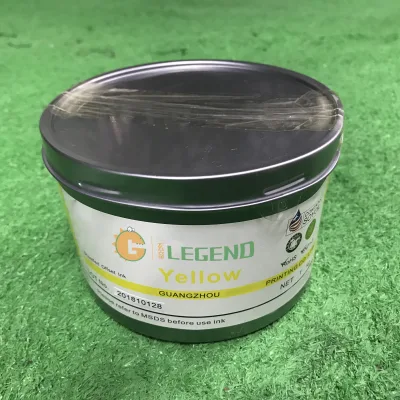


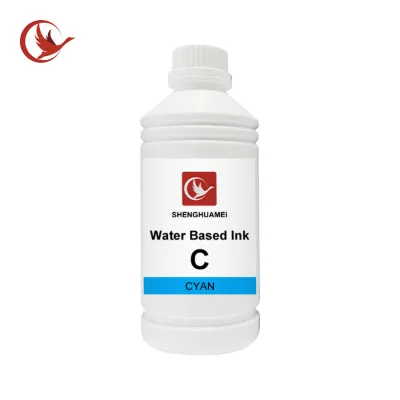


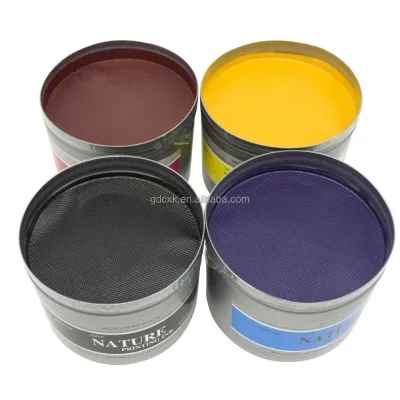


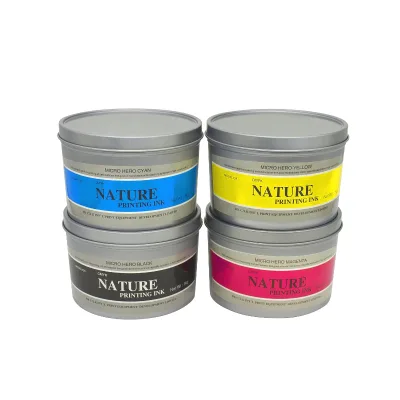
Comprehensive Sourcing Guide
Eco Friendly Rohs Soy Ink Sourcing Guide
Procuring eco-friendly inks that align with RoHS directives and soy-based formulations requires a nuanced understanding of modern printing chemistry. Buyers must distinguish between true bio-based inks and those merely marketed as "green" without substantive compositional backing. The core challenge lies in verifying the actual percentage of renewable content, such as soybean oil, versus traditional petroleum-derived solvents. This distinction directly impacts both environmental compliance and the final print quality, particularly regarding gloss retention and color vibrancy on various substrates.
Furthermore, the term "eco-friendly" often overlaps with water-based and UV-curable technologies, which present different drying mechanisms and safety profiles. While soy inks are traditionally associated with offset printing, modern adaptations extend to digital and flexographic applications. Sourcing guides must therefore clarify whether the product is a pigment-based dispersion or a dye solution, as this determines compatibility with specific printer heads and substrate types. Understanding these chemical foundations is the first step in avoiding procurement errors that lead to production downtime or regulatory non-compliance.
Product Scope and Observed Listing Signals
Market listings for eco-friendly inks frequently display a wide variance in technical attributes, requiring careful cross-referencing of observed signals. Data indicates a price range of 1-24 USD, with minimum order quantities spanning from 1kg to 480 units, suggesting flexibility for both pilot runs and bulk industrial procurement. Buyers should note that while some listings highlight "water-based" characteristics, others specify "solvent-based" or "UV" technologies, necessitating strict verification of the ink’s chemical base against the stated eco-friendly claims. The presence of "high gloss" and "dry" performance attributes often correlates with specific curing methods rather than the ink’s base composition alone.
Observed packaging standards vary significantly, ranging from small carton boxes to large palletized drums, which impacts logistics and storage requirements. Listings often mention compatibility with specific substrates like PET, PVC sheets, and paper, indicating a broad application scope. However, buyers must verify if the "low-taste and harmless" claims are supported by actual safety data sheets, as these descriptors are common marketing terms. The availability of CMYK and Pantone colors suggests a comprehensive color gamut, but the actual color base—whether pigment or dye—must be confirmed to ensure long-term lightfastness and chemical stability in the final printed product.
Technical Specifications to Verify
Technical verification begins with confirming the ink’s drying mechanism, which is critical for production line efficiency. Observed data points to both heat curing and oxidative polymerization drying methods, each suited for different substrate porosities and throughput requirements. Buyers must ensure that the selected ink’s curing velocity, noted as less than one minute in some listings, aligns with their press speed to prevent bottlenecks. Additionally, the texture and application method, such as spray or direct printing, must match the existing equipment capabilities to avoid nozzle clogging or uneven ink deposition.
The pigment type and color base are equally vital for quality assurance. Listings indicate a pigment-based composition, which generally offers superior durability and resistance to fading compared to dye-based alternatives. Buyers should verify the net content and standard packaging sizes, such as 1kg cans or 200kg drums, to calculate the true cost per liter. The model numbers and brand names, while present in listings, should be cross-checked against the manufacturer’s official technical data sheets to confirm compatibility with specific printer models, such as UV printers or eco-solvent systems, ensuring seamless integration into the production workflow.
Compliance and Safety Documentation
Compliance with RoHS and REACH standards is a primary driver for sourcing eco-friendly inks, ensuring the absence of hazardous substances like heavy metals and phthalates. Buyers must request current certification documents, such as ISO 9001 and ISO 14001, to verify the supplier’s quality management and environmental practices. While some listings mention FSC or BSCI certifications, these typically relate to paper sourcing or social compliance rather than ink chemistry, so buyers should focus on chemical-specific safety data sheets (SDS) for accurate risk assessment.
Safety documentation should also address odor and toxicity levels, with "low-taste and harmless" claims requiring substantiation through third-party testing. Buyers should verify if the ink meets EN71 standards for toy safety or other relevant regional regulations, especially if the printed products are intended for consumer goods. The warranty period, observed at 18 months to 3 years, provides a baseline for product reliability, but buyers must ensure that this warranty covers performance degradation due to improper storage or handling. Clear compliance records protect against regulatory penalties and enhance brand reputation in environmentally conscious markets.
Cost Drivers and Commercial Terms
Cost structures for eco-friendly inks are influenced by raw material volatility, packaging complexity, and order volume. The observed MOQ range of 1kg to 480 units allows for scalable procurement, but buyers should analyze the price per unit across different tiers to identify optimal order sizes. Packaging costs, ranging from individual boxes to palletized drums, significantly impact the total landed cost, particularly for international shipments. Buyers must also consider the lead time, which varies from 5-7 to 7-15 working days, as longer delays may necessitate higher safety stock levels and increased working capital.
Commercial terms should include clear definitions of quality guarantee periods and return policies for defective batches. The 14-year experience of some suppliers may indicate stability, but buyers should verify this through financial checks and customer references. Delivery terms, such as FOB or CIF, must be explicitly stated to avoid hidden logistics costs. Additionally, buyers should inquire about bulk discounts or long-term contract pricing to mitigate the impact of raw material price fluctuations. Transparent commercial terms ensure predictable budgeting and reduce the risk of unexpected expenses during the procurement lifecycle.
Supplier Qualification and Quality Control
Supplier qualification requires a rigorous assessment of manufacturing capabilities and quality control protocols. Buyers should verify the supplier’s production facilities, particularly their ability to maintain consistent pigment dispersion and viscosity levels. The presence of multiple model numbers and product types suggests a versatile manufacturing base, but buyers must ensure that quality control processes are standardized across all product lines. Requesting sample batches for testing is essential to evaluate print quality, adhesion, and drying performance on actual substrates before committing to large orders.
Quality control documentation should include batch-specific test reports for color consistency, particle size, and chemical composition. Buyers should assess the supplier’s response time and technical support capabilities, as these factors influence problem resolution during production. The 18-month to 3-year warranty period indicates confidence in product durability, but buyers must clarify the conditions under which this warranty is valid. Establishing a clear communication channel with the supplier’s technical team ensures that any issues regarding ink performance or compatibility are addressed promptly, minimizing production disruptions.
Long-Term Procurement Checks
Long-term procurement success depends on continuous monitoring of supplier performance and market trends. Buyers should establish key performance indicators (KPIs) for delivery accuracy, product quality, and customer service responsiveness. Regular audits of the supplier’s quality management systems ensure ongoing compliance with RoHS and other relevant standards. Additionally, buyers should stay informed about advancements in eco-friendly ink technologies, such as new bio-based solvents or improved UV-curing formulations, to remain competitive in the market.
Supply chain resilience is critical, so buyers should diversify their supplier base to mitigate risks associated with raw material shortages or geopolitical disruptions. Maintaining open dialogue with suppliers about future product developments can provide early access to innovative solutions. Buyers should also review contract terms periodically to ensure they reflect current market conditions and regulatory requirements. By proactively managing these long-term factors, organizations can secure a stable supply of high-quality, eco-friendly inks that support their sustainability goals and operational efficiency.
FAQs
What types of eco friendly rohs soy ink are available?
Water based and solvent based inks are available with CMYK and Pantone colors. These options include pigment components and offer high gloss finishes. Customization is available for specific printing needs on materials like PET and PVC sheets.
Can I get eco friendly rohs soy ink with RoHS certification?
Yes, products meet RoHS, CE, Reach, and EN71 standards. These certifications ensure safety and compliance for various applications. The ink is designed to be low-taste and harmless while maintaining high performance during the drying process.
How long is the delivery time for eco friendly rohs soy ink?
Delivery typically takes between 5 to 15 working days depending on the specific product type. Some items ship within 5 to 7 days while others may require up to 15 days. This timeline accounts for packaging and origin logistics from China.
What is the minimum order quantity for eco friendly rohs soy ink?
The minimum order quantity starts at 1 kilogram for most products. Some listings allow orders as low as 1 unit while others may require up to 480 units. Packaging options include 1kg cans, 2kg cans, and larger drums for bulk needs.
Which drying methods are used for eco friendly rohs soy ink?
Inks utilize heat curing, oxidative polymerization, or UV curing methods for drying. Some formulations dry in less than one minute while others require standard curing times. The texture allows for spray and dry application on various substrates like paper.
What warranty is provided for eco friendly rohs soy ink products?
Warranty periods range from 18 months to 3 years depending on the specific product line. This guarantee covers quality assurance for the ink performance. Manufacturers with 14 years of experience ensure reliable product standards and customer support.
How is eco friendly rohs soy ink packaged for shipping?
Packaging includes carton boxes, cans, and drums with pallet protection for outer shipping. Options range from 1kg bottles to 200kg drums. Each carton contains 100 bottles or specific unit counts to ensure safe transport and easy handling.